
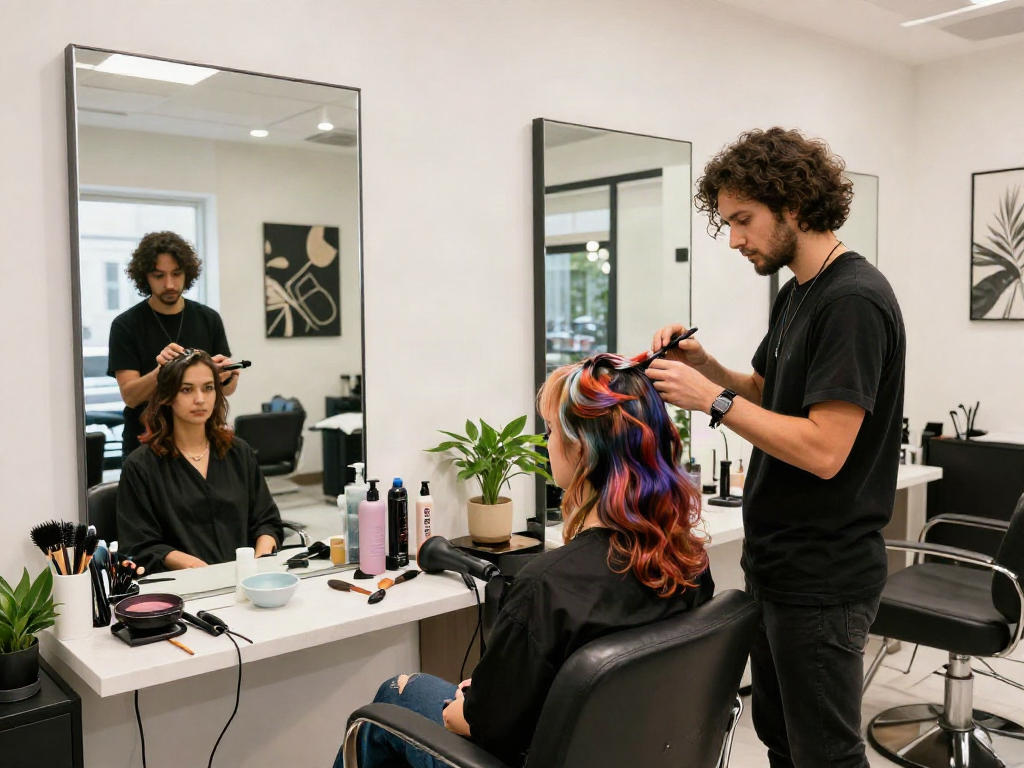
The Evolution of Hairdressing Techniques in 2026
The world of hairdressing is continuously evolving, influenced by cultural shifts, technological advancements, and an ever-growing demand for personalization. As we move further into 2026, we witness the blending of traditional techniques with innovative methods that redefine how we approach hair care and styling. This article delves into the historical context of hairdressing, explores current trends reshaping the industry, and predicts future innovations that will change how professionals work. For those eager to explore the latest insights and trends in hairdressing, https://carbonegroupparrucchieri.it/ provides comprehensive resources.
Historical Overview of Hairdressing
The roots of hairdressing can be traced back thousands of years, with ancient civilizations using various techniques to style hair. In Egypt, for instance, both men and women used oils and perfumes and adorned their hair with wigs. The Greeks and Romans took hairdressing more seriously, establishing salons and even entering into competitions to showcase their skills. The Renaissance period introduced new hair trends that emphasized natural beauty and intricate styles, setting the foundation for modern hairdressing. By the time we reached the 20th century, hairdressing had become a profession, with specialized schools emerging to train new stylists in both technique and artistry.
Current Trends Transforming the Industry
As we navigate the complexities of 2026, several trends are transforming hairdressing. Among these, sustainability has emerged as a top priority, with salons adopting eco-friendly practices. This includes using organic products, reducing waste, and implementing energy-efficient technologies. Additionally, the rise of customization has become a key driver, as clients seek personalized treatments tailored to their specific hair types and needs. Techniques such as balayage, color melts, and precision cutting are now often combined to create unique looks that reflect individual personalities.
Future Innovations in Hair Techniques
Looking ahead, the hairdressing industry is primed for further innovations, particularly through advancements in technology. The use of artificial intelligence for personalized consultations and augmented reality apps that allow clients to visualize potential styles before making a decision are just a glimpse of what's to come. Moreover, the integration of wearable technology may enable hair professionals to monitor hair health and provide clients with bespoke treatment plans based on real-time data.
Understanding Hair Types and Treatments
The foundation of effective hair care lies in understanding different hair types and the treatments suited to each. In 2026, this knowledge is more important than ever, with clients becoming increasingly discerning about their hair care choices.
Identifying Different Hair Types
Hair comes in various types—straight, wavy, curly, and coily—each with its unique characteristics and needs. Identifying an individual’s hair type is crucial for recommending suitable styling and treatment options. Straight hair often requires lightweight formulas to prevent oiliness, while curly hair benefits from hydrating products that define curls. Understanding these nuances allows professionals to provide tailored advice and products that enhance the client's natural beauty.
Common Issues and Effective Solutions
Clients frequently face common hair issues such as dryness, breakage, and scalp problems. Each of these concerns requires a targeted approach. For instance, treatments containing moisturizing ingredients like argan oil can significantly improve dryness, while protein-rich formulations can help strengthen damaged strands. Addressing scalp issues often involves incorporating soothing ingredients like tea tree oil or aloe vera to promote a healthy scalp environment.
Customized Treatments for Optimal Results
Due to the increasing demand for personalized care, salons are now offering customized treatments to cater to individual needs. This could include bespoke hair masks designed to address specific issues or tailored styling services that reflect the client’s lifestyle. Such personalized approaches not only enhance client satisfaction but also foster loyalty and retention in a competitive market.
Essential Tools and Products for Professionals
The tools and products available to hair professionals have evolved significantly in 2026, enabling more efficient work and better outcomes for clients.
Latest Tools Revolutionizing Hairdressing
Advanced styling tools, including high-velocity hair dryers and precision flat irons, are now standard in many salons. These tools not only save time but also minimize heat damage, allowing stylists to achieve better results without compromising hair health. Furthermore, innovative tools such as digital thermometers for hair dye applications ensure perfection in every treatment.
Must-Have Hair Products in 2026
In today's market, products that promote hair health and sustainability are gaining traction. Brands that emphasize clean ingredients and environmental responsibility are becoming increasingly popular among consumers. Essential items for salons include sulfate-free shampoos, nourishing conditioners, and treatments enriched with vitamins and proteins to enhance the overall hair quality.
Choosing the Right Products for Client Needs
Understanding the variety of products available allows professionals to make informed recommendations based on specific client needs. Whether it’s recommending a volumizing shampoo for fine hair or a nourishing treatment for curly locks, choosing the right products is crucial for achieving the desired results and building trust with clients.
Creating the Perfect Salon Environment
The ambiance of a salon plays a vital role in the overall client experience and can significantly influence return visits and referrals.
Designing a Welcoming Atmosphere for Clients
A welcoming salon environment can be achieved through thoughtful design and attention to detail. Elements like comfortable seating, soothing colors, and ambient lighting can create a relaxing atmosphere that encourages clients to unwind. Additionally, incorporating personal touches, such as unique decor or custom music playlists, can enhance the overall experience.
Impact of Ambiance on Client Experience
Research shows that the salon ambiance can influence client satisfaction and retention rates. A pleasant and inviting atmosphere leads to a more enjoyable experience, prompting clients to return and recommend the salon to others. Effective ambiance management takes into account factors such as noise levels, fragrance, and even the temperature of the salon.
Utilizing Technology for Enhanced Services
Modern technology has opened new avenues for enhancing client services. Implementing booking systems, client management software, and point-of-sale systems can streamline operations, allowing stylists to focus more on their craft. Moreover, virtual consultations are becoming increasingly popular, enabling clients to receive personalized advice and services from the comfort of their homes.
Building a Successful Hairdressing Business
For hair professionals, building a successful business requires not only skill but also strategic planning and marketing.
Marketing Strategies for Hair Professionals
Effective marketing is vital for attracting and retaining clients in the competitive hairdressing landscape of 2026. Social media has become a powerful tool for showcasing work, engaging with clients, and attracting new customers through visually compelling content. Additionally, collaboration with influencers and participating in local events can further enhance visibility and reach.
Client Retention Techniques and Loyalty Programs
Retaining clients is as important as acquiring new ones. Implementing loyalty programs that reward repeat visits can incentivize clients to return. Offering personalized birthday discounts or referral bonuses are excellent ways to maintain lasting relationships with clients.
Measuring Success: KPIs for Hair Salons
To gauge the success of a hair salon, understanding key performance indicators (KPIs) is crucial. Metrics such as client retention rates, average service time, and revenue per client can provide valuable insights into operational efficiency and business health. Regularly reviewing these KPIs can help salon owners make informed decisions that drive growth and improve client satisfaction.
What are the latest hair trends for 2026?
The latest hair trends for 2026 focus on individuality and self-expression. Natural textures, bold colors, and soft, low-maintenance styles are in vogue, allowing clients to embrace their unique characteristics. Additionally, hair accessories such as headbands and clips have made a strong comeback, providing an avenue for personalization.
How do I choose the right treatment for my hair type?
Choosing the right treatment for your hair involves understanding your hair type and its specific needs. Consulting with a professional hairstylist can help you make informed decisions, allowing you to select products and treatments that will enhance your hair's natural beauty and health.
What tools are essential for a modern salon?
Essential tools for a modern salon include high-quality scissors, brushes, heat styling tools, and various products that cater to different hair types. Having the right tools ensures not only efficacy in styling but also the overall health and well-being of the client's hair.
How can I create a welcoming salon atmosphere?
To create a welcoming salon atmosphere, consider elements such as comfortable seating, inviting decor, and soothing background music. Additionally, ensuring that your staff is friendly and professional can significantly enhance the client’s experience.
What marketing strategies work best for hair salons?
Effective marketing strategies for hair salons include utilizing social media to showcase your work, engaging with clients through email newsletters, and participating in local events to create community awareness. Building a strong brand identity also plays a crucial role in attracting and retaining clients.